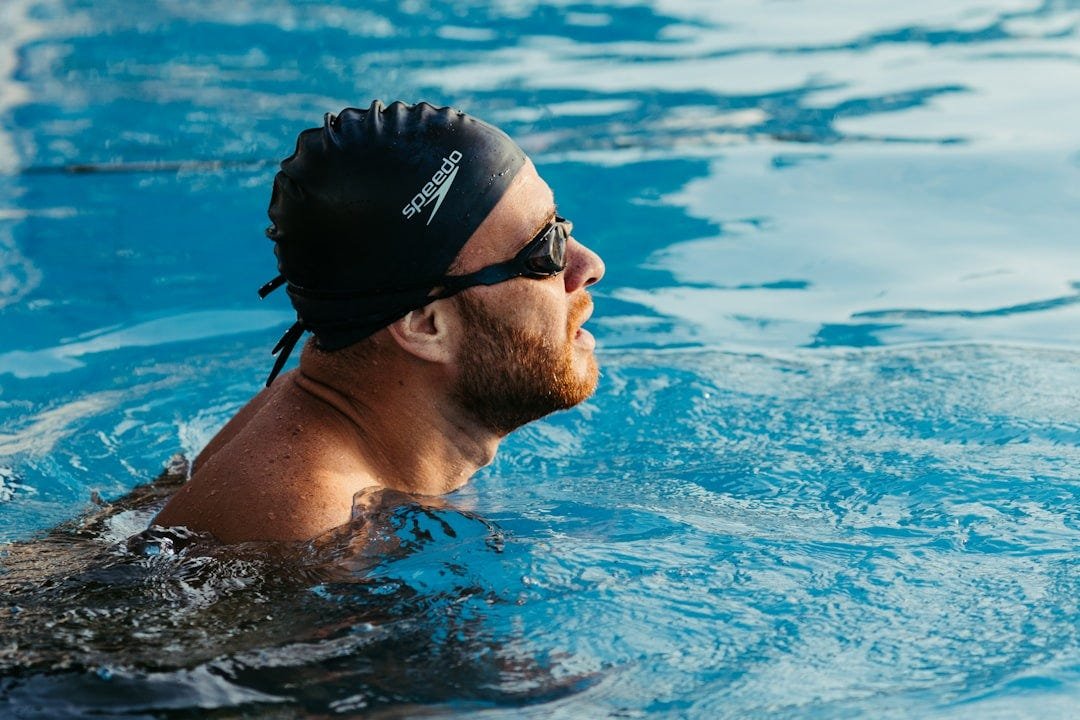
What separates swimmers who crumble under pressure from those who rise, time and again? It’s not just about physical strength or flawless technique. The real game-changer is mental toughness — the ability to stay calm, focused, and confident when the stakes are highest. Imagine your mind as an ocean: wild, deep, and unpredictable. Will you ride the waves, or get pulled under?
In competitive swimming, resilience is your secret weapon. It’s the grit that keeps you showing up for early morning practices, the courage to face setbacks without losing heart, and the mental steel to push through discomfort when everything inside screams to stop. This article dives deep into why resilience matters, how mental toughness is built, and practical ways you can train your mind to perform at its best — both in the pool and in life.
The Mental Challenges Swimmers Face
Swimming fast isn’t just about muscle and endurance. It’s about mastering your mindset. Every swimmer, regardless of skill level, encounters mental hurdles that can sabotage performance if left unchecked. Here are some of the toughest challenges:
- Self-doubt: That nagging voice questioning your ability, technique, or readiness right before a race.
- Pressure: The weight of expectations — whether from coaches, parents, teammates, or yourself — that can feel overwhelming.
- Fear of failure: The paralyzing worry that a mistake or loss will define you.
- Setbacks: Missed goals, bad races, or injuries that threaten to derail motivation.
- Discomfort and fatigue: Physical and mental exhaustion that tests your commitment.
These mental battles are as real as the physical ones. Without resilience, even the strongest swimmer can crumble under pressure or lose sight of their goals.
The Power of Mindset: Your Secret Weapon
Picture your life as a sailboat. You are the captain, steering through storms that represent pressure, setbacks, and self-doubt. Your thoughts are your sails, catching the wind of motivation. Your emotions act as the compass, guiding your direction. Your values? They’re the wheel firmly in your hands, keeping you on course. Storms aren’t enemies — they’re your trainers, sharpening your mental steel with every gust.
Resilience isn’t about being perfect or never failing. It’s about grit — the courage to keep going when everything inside tells you to stop. It’s the decision to show up again and again, no matter how tough the conditions. So how do you build this mental toughness? Here are some foundational concepts every swimmer should embrace.
1. Breathing: The Mental Reset Button
When anxiety spikes or self-doubt creeps in, your breath can be your greatest ally. Deep, controlled breathing acts like a reset button for your mind, calming the nervous system and clearing mental fog. Before a race or hard training set, take a moment to breathe deeply — inhale through your nose, hold for a few seconds, then exhale slowly through your mouth. Repeat until your mind feels centered.
2. Positive Self-Talk: Your Inner Champion
The way you talk to yourself shapes your mindset. Replace negative thoughts like “I can’t do this” with affirmations such as “I’ve trained hard. I’ve got this.” Positive self-talk rewires your brain to focus on possibility and strength rather than fear and limitation.
3. Visualization: Mental Rehearsal for Success
Visualization is more than daydreaming. It’s a powerful mental rehearsal technique used by world-class athletes. Close your eyes and swim the race in your mind: feel the rhythm of your strokes, hear the splash of the water, sense the power in your muscles, and see yourself touching the wall first. This mental practice primes your brain and body to perform at their best when it counts.
4. Reframing Failure: Setbacks as Feedback
Every swimmer faces failure. The difference lies in perspective. Instead of seeing failure as a dead end, reframe it as feedback — a valuable lesson that points you toward growth. Ask yourself, “What can I learn from this?” This mindset turns disappointment into motivation and builds resilience over time.
5. Journaling: Tracking Progress and Emotions
Writing down your daily wins, fears, and reflections creates a powerful record of your journey. Celebrate small victories — each personal best, every extra lap, every moment you pushed through discomfort. Journaling also helps you identify patterns in your mindset and emotions, giving you insight into what triggers doubt or confidence.
Why Do Some Swimmers Rise While Others Fall?
It all comes down to preparation — not just physical, but mental. You can’t always control the results of a race or the noise around you, but you can control your effort, mindset, and preparation. Swimmers who rise have trained their minds to show up, no matter the circumstances. They embrace discomfort, treat setbacks as stepping stones, and maintain unwavering belief in their capabilities.
Resilience is a muscle that grows stronger with use. It’s built through:
- Setting clear goals: Break big ambitions into small, manageable milestones to maintain focus and motivation.
- Embracing discomfort: Recognize that growth happens outside your comfort zone.
- Mindful recovery: Just as your body needs rest, so does your mind. Prioritize sleep, mindfulness practices, and deep breathing.
- Building a support team: Surround yourself with coaches, family, and teammates who lift you higher and believe in your journey.
Visualizing Your Journey: The Sailboat Metaphor
Let’s return to the sailboat. Imagine yourself on the open water, waves crashing around you. You’re not drowning in water but in self-doubt. Your mind is the ocean — wild and deep. The storms you face — early mornings, tough races, setbacks — are not threats but trainers, strengthening your resolve.
Your thoughts, like sails, catch the wind of motivation. Your emotions, the compass, keep you aligned with your values. Your values, the wheel, are firmly in your hands, steering you toward your goals. This metaphor isn’t just poetic — it’s practical. It reminds you that you have control, even in chaos. The storm is not your enemy; it’s what makes you stronger.
The Journey Ahead: Mastering Mental Resilience Takes Time
Like physical training, mastering resilience isn’t an overnight process. It takes structure, patience, and consistent effort. But the rewards are immense: a stronger mind that withstands pressure, a swimmer who thrives under adversity, and a person who grows through every challenge.
Your Next Breakthrough Starts Now
Resilience is the difference between giving up and pushing forward. It’s the secret behind every swimmer who rises above pressure and achieves greatness. You don’t have to face the storm alone. You are the captain of your sailboat. Your mind is your most powerful tool. Train it, trust your journey, visualize success — and most importantly, show up every single time.
Originally published on Medium.
Cover photo by Jonathan Borba on Unsplash
Want your team to perform like this under pressure? See Team & leader training or book a 30-minute diagnostic call.